+86-21-34622842(REP.) +86-21-34622015(REP.)
- All
- Product Name
- Product Keyword
- Product Model
- Product Summary
- Product Description
- Multi Field Search
Views: 0 Author: Site Editor Publish Time: 2026-05-22 Origin: Site
Many people struggle daily observing lingering reminders of past breakouts. You look in the mirror and notice uneven texture, stubborn divots, and deep shadows. Over-the-counter topicals and mild chemical peels handle surface discoloration quite well. However, they simply cannot rebuild collapsed dermal tissue. Treating structural, deep-tissue acne scars requires physical dermal remodeling. We need a reliable method to stimulate fresh tissue from within.
For decades, dermatologists have relied on targeted energy devices to bridge the gap between expectation and reality. The clinical verdict remains clear. The fractional CO2 laser stands as the gold standard for severe atrophic scarring. Yet, it is never a standalone magic wand. Your ultimate success depends heavily on scar morphology, your baseline skin tone, and the exact clinical protocol utilized. This article provides an evidence-based, transparent framework. We will help you evaluate whether the required investment, strict downtime, and potential risks align correctly against your specific scarring profile.
Efficacy varies by scar type: Rolling and boxcar scars see the highest improvement rates (often 30–50% per session), while deep ice-pick scars require prerequisite treatments.
Downtime is unavoidable: Expect a strict 7-to-9-day social downtime involving redness, swelling, and epidermal peeling.
Skin type dictates safety: Patients with darker skin tones (Fitzpatrick IV–VI) face a higher risk of Post-Inflammatory Hyperpigmentation (PIH) and may require modified parameters or alternative therapies.
Modern protocols favor combination: The most successful outcomes combine fractional CO2 laser with subcision, TCA CROSS, or fillers.
Understanding the mechanism behind the treatment helps set realistic expectations. The device uses a highly precise 10600 nm wavelength. It targets water molecules directly inside your skin. This sudden energy absorption vaporizes tissue instantly. It creates microscopic columns of thermal damage deep into the dermis. We call these tiny wounds fractional zones. Crucially, the process leaves the surrounding healthy tissue completely intact. This untouched healthy skin acts as a vital reservoir. It speeds up the natural healing process dramatically.
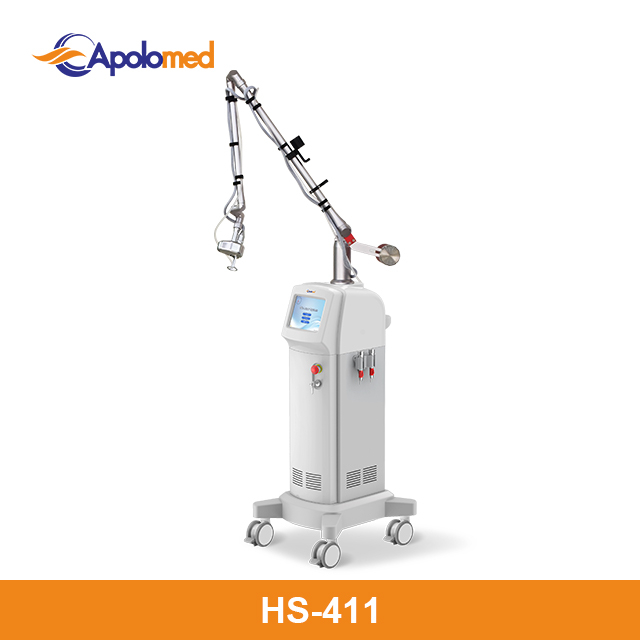
You must differentiate this modern approach from older techniques. Outdated fully ablative lasers used to strip away the entire epidermis indiscriminately. They caused massive downtime, severe pain, and unacceptably high complication rates. Modern fractional technology operates vastly differently. The actual calibration and build quality of the specific fractional CO2 laser machine matter immensely. High-tier devices allow dermatologists to dictate the exact depth of penetration. Some systems reach up to 2.5mm into the lower dermis. This precision ensures a safe, highly controlled thermal footprint.
Visible texture improvement does not happen overnight. The superficial peeling phase usually finishes within one week. However, the true biological magic lies in the collagen long-tail effect. Neocollagenesis refers to your body producing brand-new collagen fibers. This complex biological process continues silently behind the scenes. You will see structural remodeling happening for three to six months post-treatment. Patience remains essential.
Not all acne scars are created equal. Your baseline facial anatomy dictates your potential results. Let us explore the different morphological types and how they respond.
Rolling scars show a highly positive response. These wide, M-shaped depressions can stretch several millimeters across the cheeks. They react beautifully to deep thermal heating. The laser tightens the underlying stretched fibers. It lifts the broader divots effectively, restoring a smoother contour.
Boxcar scars experience a moderate to high response. They feature sharp, vertical U-shaped edges. The laser essentially smooths and bevels these harsh borders. This mechanical action blends the scar base seamlessly into the surrounding healthy tissue. It removes harsh shadows from your face.
Ice pick scars show a very low direct response. These narrow, deep V-shaped marks extend deeply into the dermis. They often reach deeper than a laser beam can safely travel. Relying solely on a laser for ice pick scars will lead to a poor return on your effort. Transparency here is vital for your budget.
Scar age also plays a massive role in outcome predictability. Clinical evidence suggests newer scars rebuild collagen much faster. Blemishes under ten years old exhibit a highly robust cellular response. Older, highly fibrotic scars present tougher, stiffened tissue. They require more aggressive sessions to break down rigid scar bands.
Acne Scar Morphology and Laser Responsiveness | ||
Scar Type | Physical Characteristics | Fractional CO2 Response Rate |
|---|---|---|
Rolling Scars | Wide, wave-like depressions (M-shape) | High (Best candidate) |
Boxcar Scars | Broad bases, sharp defined edges (U-shape) | Moderate to High |
Ice Pick Scars | Narrow, deep, pinpoint pits (V-shape) | Low (Requires prerequisite TCA CROSS) |
Patients face numerous choices when entering a dermatology clinic. We must compare fractional CO2 against other popular modalities to ensure you make the right investment.
First, let us look at Radiofrequency (RF) Microneedling. Regarding raw efficacy, CO2 generally yields a higher percentage of texture improvement per session. It excels for severe rolling and boxcar scars. However, safety profiles differ drastically. RF Microneedling physically bypasses the epidermis entirely. It delivers heat beneath the skin surface through insulated needles. This makes it a much safer primary choice for deep skin tones. Patients having Fitzpatrick IV-VI skin types face severe risks of hyperpigmentation using ablative lasers.
Next, consider non-ablative lasers like Fraxel Restore. These gentle devices offer much shorter downtime. You might only experience one to three days of mild redness and minor swelling. The trade-off comes directly in the final results. You often need four to six non-ablative sessions. They aim to achieve what a single ablative session might accomplish in a fraction of the time.
Your ultimate decision framework requires balancing two major factors. You must weigh your personal tolerance for strict social downtime against your budget. Do you prefer fewer, more intensive interventions? Or can you afford multiple gentle sessions over an entire year?
Treatment Modality Comparison Chart | ||||
Modality | Mechanism | Typical Downtime | Sessions Needed | Best For |
|---|---|---|---|---|
Fractional CO2 Laser | Ablative thermal vaporization | 7 to 9 days | 1 to 3 | Severe boxcar/rolling scars, light skin |
RF Microneedling | Physical needles + deep RF heat | 3 to 5 days | 3 to 5 | Darker skin tones, moderate scars |
Non-Ablative Laser | Coagulation without tissue removal | 1 to 3 days | 4 to 6 | Mild texture issues, low downtime needs |
Proper expectation management prevents intense post-procedure panic. The true recovery timeline demands patience and strict discipline. This is a medically invasive resurfacing process. You cannot rush biological healing.
Here is what you will experience during the true recovery timeline:
Days 1 to 3: You will experience intense redness, swelling, and extreme heat. The treated area feels exactly like a severe sunburn. You might notice light pinpoint bleeding or clear lymphatic oozing. This is a normal inflammatory response.
Days 4 to 5: The initial swelling slowly subsides. Heavy, dark crusting forms over the microscopic grid marks. Your skin visibly darkens into a bronze tone. Active, flaky peeling begins.
Days 6 to 9: The dead crust sheds completely away. Extremely sensitive, bright pink new skin emerges underneath. By day nine, you can typically apply breathable mineral makeup to re-enter social settings safely.
Strict post-care requirements are completely non-negotiable. You must prioritize aggressive skin barrier repair immediately. Use gentle, thick ointments containing soothing ingredients like panthenol, glycerin, and ceramides. Strict sun avoidance is absolutely critical to prevent dark spots. Some top clinics recommend dilute vinegar soaks. These specific wet compresses safely manage thick crusting. Acetic acid in the vinegar prevents dangerous bacterial infections while loosening dead skin gently.
Mitigating complications takes careful, proactive planning. Top providers use specific clinical protocols to avoid hyperpigmentation. They often pre-treat vulnerable patients using topical tyrosinase inhibitors like hydroquinone for weeks beforehand. They might also prescribe short-term topical steroids immediately post-procedure. This powerful step drastically reduces localized inflammation and prevents pigment cells from overreacting.
We must debunk a pervasive industry myth right now. Top-tier dermatology clinics rarely rely on a single device for complex acne scarring. A holistic, multi-modal approach always yields superior, natural-looking outcomes. Your scars exist at multiple depths.
Leading doctors utilize a targeted "bottom-up" approach. They treat the deepest structural issues first before addressing the surface.
Step 1: Subcision. Deep rolling scars contain thick fibrous bands anchoring the skin down to the muscle fascia. The doctor inserts a specialized needle beneath the scar. They manually cut and release these tethered bands. The skin instantly pops back up.
Step 2: TCA CROSS. Doctors apply high-strength Trichloroacetic acid directly inside deep ice-pick scars using a wooden toothpick. This intense localized chemical reaction triggers aggressive collagen synthesis. It raises the scarred floor upward over several weeks.
Step 3: Resurfacing. The doctor finally deploys the fractional laser. They use it as the ultimate finishing step. It blends the overall skin texture, tightens the dermis, and erases superficial irregularities remaining on top.
Furthermore, we must address the outdated Isotretinoin (Accutane) myth. Older medical guidelines demanded a strict six-month waiting period after finishing the drug before any laser work. Modern clinical consensus disagrees completely. Studies now show low-dose fractional treatments can be performed safely during or immediately after Accutane treatment. This early intervention actually prevents worse fibrotic scarring from setting in permanently.
Your provider's skill matters far more than the specific machine brand. You must evaluate potential clinics rigorously before committing your face and your wallet. This treatment permanently alters your skin structure.
Watch out for glaring consultation red flags. Avoid any clinic promising absolute perfection or full scar removal. Flawless glass skin is a marketing illusion. Run away quickly if they recommend aggressive lasers without physically examining your face. A proper doctor uses tangential lighting. They shine a harsh light from a sharp angle to cast shadows. This reveals the true topographical depth of your scars.
Ask your potential provider these specific targeted questions during your initial visit:
Do you customize the density and energy settings based on different facial zones and specific scar types?
What is your exact medical protocol for managing post-inflammatory hyperpigmentation?
Do you offer complementary prerequisite treatments like subcision or TCA CROSS for tethered scars?
Never forget the vital importance of strict medical supervision. This is an aggressive procedure. It demands a highly experienced physician. They must know exactly how to manage potential viral outbreaks. For example, the trauma can trigger severe cold sore dissemination across your face. A proper doctor will prescribe prophylactic antiviral medication. They also carry the authority to prescribe necessary oral antibiotics if unexpected bacterial complications arise.
This powerful resurfacing device remains a highly effective, clinical intervention. It tackles specific types of atrophic scarring incredibly well. However, it requires intense commitment, emotional patience, and a willingness to endure real social downtime.
Successful outcomes demand highly accurate scar diagnosis. They rely heavily on intelligent combination therapies rather than singular treatments. They also require your strict, unwavering adherence to rigorous post-care routines. Remember, no single machine cures every textural problem independently.
Your immediate next step involves diligent, local research. Seek an in-person consultation with a board-certified dermatologist. Ask them to map your specific scar morphology accurately. Work together to develop a staged, multi-layered treatment plan tailored to your anatomy. Your skin's journey to smooth texture takes time, but modern science offers a proven, reliable path forward.
A: Patients typically need 1 to 3 sessions. Doctors space these treatments 4 to 6 months apart. This lengthy gap allows the complete neocollagenesis cycle to finish. Exact session numbers depend entirely on your scar severity and the aggressiveness of the clinical settings used.
A: Yes, the results are permanent. The structural dermal remodeling and brand-new collagen production fundamentally change your skin architecture. However, natural chronological skin aging will continue normally, which slowly depletes collagen over the ensuing decades.
A: The pain remains highly manageable with proper clinical protocols. Top clinics apply potent prescription numbing creams for an hour beforehand. Some doctors also administer local nerve blocks. Patients describe the sensation as similar to a snapping rubber band followed by intense, lingering heat.
A: No. Active inflammatory acne or active facial infections represent absolute contraindications. Treating over active cysts spreads dangerous bacteria across the broken skin barrier. You must fully resolve all active breakouts prior to undergoing any resurfacing procedures.
Shanghai Apolo Medical Technology Co., Ltd is a leading designer and manufacturer of Intense Pulsed Light (IPL), Various technologies Laser (Pico Nd:YAG,CO2......), Platform Laser, HIFU, PDT LED, Body Slimming technologies for using in medical and aesthetic industries.
 Copyright © 2021 Shanghai Apolo Medical Technology Co., Ltd All Right Reserved. Sitemap Support By Leadong