
+86-21-34622842(REP.) +86-21-34622015(REP.)
- All
- Product Name
- Product Keyword
- Product Model
- Product Summary
- Product Description
- Multi Field Search
Views: 0 Author: Site Editor Publish Time: 2026-08-07 Origin: Site
Patients often experience anxiety immediately following a laser procedure, especially when observing the visual intensity of the initial skin response. The immediate redness, swelling, and pigment darkening can look alarming. These reactions vary significantly based on the specific treatment settings your provider selected. Misinterpreting normal healing phases—such as pigment darkening, mild swelling, or microscopic crusting—as clinical complications frequently leads to improper self-treatment. Applying active skincare too early or attempting to physically exfoliate the skin compromises the final results and induces unwanted side effects.
Understanding the exact timeline of tissue regeneration helps mitigate post-procedure risks and sets realistic expectations. A clinical, evidence-based breakdown of the 7-day recovery timeline ensures you know exactly what to anticipate. By following a strict protocol after picosecond laser treatment, you safely navigate the acute inflammation and epidermal clearance phases, ensuring optimal dermal remodeling and long-term skin improvement.
Day 1-2 Focus: Acute inflammation management; expect erythema (redness), mild edema (swelling), and a sunburn-like sensation, which can be more pronounced after high-fluence treatments.
Day 3-5 Focus: Epidermal clearance and subtle skin changes; targeted pigmentation (especially stubborn, hormone-triggered patches) will temporarily darken and form microscopic crusts before naturally exfoliating.
Strict Protocol: Physical intervention (picking, scratching, or aggressive scrubbing) during the crusting phase is the primary driver of post-inflammatory hyperpigmentation (PIH) and micro-scarring.
Clinical Milestone: By Day 7, the acute recovery phase concludes, allowing for a gradual return to baseline skincare, though peak dermal remodeling and collagen production require 6 to 12 weeks.
Picosecond technology utilizes ultra-short acoustic shockwaves to shatter pigment particles into microscopic fragments. Traditional nanosecond or continuous-wave lasers rely heavily on thermal damage to destroy target tissues. A pico laser minimizes heat transfer to the surrounding skin. This photomechanical effect significantly reduces downtime and lowers the risk of thermal injuries. The recovery process becomes faster and safer for various skin types, particularly those prone to hyperpigmentation.
To understand why the recovery differs from older technologies, we must look at the physics of the energy delivery. The pulse duration in picosecond devices is measured in trillionths of a second. This rapid delivery creates a pressure wave rather than a heat wave. The target pigment absorbs the energy and shatters like a glass hitting a concrete floor. The surrounding tissue remains largely unaffected by heat, which is the primary driver of prolonged swelling and blistering seen in older laser modalities.
Laser Technology | Primary Mechanism | Pulse Duration | Typical Downtime | Risk of Thermal Injury |
|---|---|---|---|---|
Traditional Q-Switched (Nanosecond) | Photothermal (Heat) | Billionths of a second | 7 to 14 days | Moderate to High |
Picosecond Laser | Photomechanical (Acoustic) | Trillionths of a second | 2 to 7 days | Low |
The recovery pathway diverges considerably based on the specific intensity and settings used during the session. Gentle toning settings typically result in minimal downtime. Patients usually experience light redness that resolves within 24 hours. Providers use this approach for general skin rejuvenation, maintenance, and mild pigment correction. You can often return to work the same day with no visible signs of treatment other than a slight flush.
Strong fractional settings require higher downtime. These intensive treatments address deep acne scars, tattoo removal, or stubborn hormone-triggered pigmentation like melasma. Following a high-fluence session, patients observe petechiae (pinpoint bleeding) and localized swelling. The fractional handpiece creates Laser-Induced Optical Breakdown (LIOB) in the dermis. These microscopic cavities trigger a massive healing response, stimulating new collagen and elastin production. The surface of the skin remains intact, but the intense sub-surface activity causes visible redness and swelling for several days.
A successful immediate clinical endpoint depends on the targeted condition. Transient erythema and mild frosting are standard indicators that the laser effectively engaged the pigment. Frosting looks like a temporary white ash on the skin surface, caused by the rapid release of gas as the pigment shatters. It typically subsides within 20 to 30 minutes.
In more intensive treatments, controlled purpura (bruising) demonstrates appropriate depth penetration. These expected reactions differ entirely from adverse thermal reactions. Adverse reactions present as prolonged blistering, severe epidermal damage, or intense, radiating pain. Recognizing the difference between a strong clinical endpoint and a complication prevents unnecessary panic during the first 48 hours.
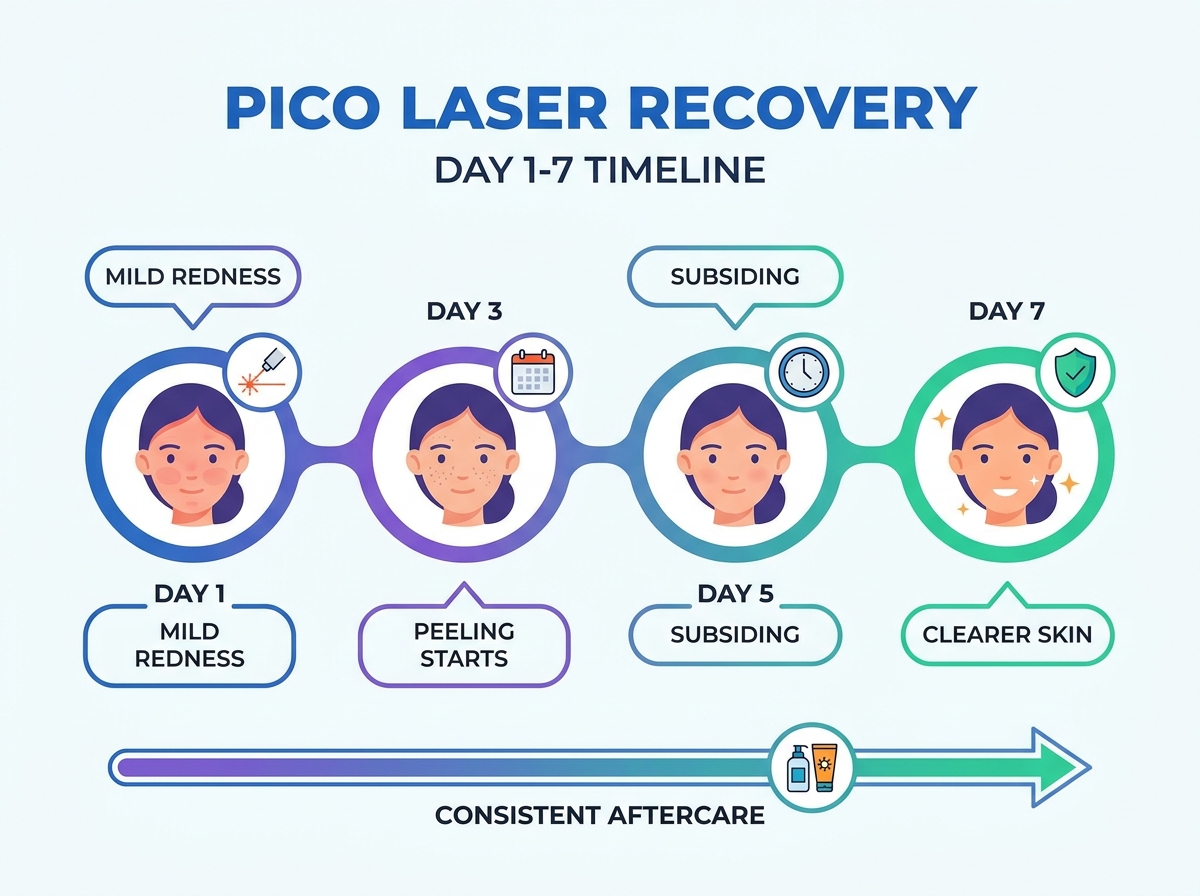
Immediately post-procedure, the skin presents with acute inflammation. Standard presentations include prominent erythema, localized swelling, and a distinct sensation of trapped heat, akin to a mild sunburn. The intensity of these symptoms correlates directly with the fluence and density of the laser pulses delivered. If you received a fractional treatment for acne scars, expect the swelling to peak around the 12-hour mark.
The skin feels tight and warm to the touch. This is the body's natural inflammatory cascade initiating the repair process. Blood flow increases to the treated area, bringing white blood cells and nutrients to clear away the shattered pigment and repair the microscopic dermal injuries.
Reducing excess heat retention in the dermis prevents post-inflammatory hyperpigmentation (PIH). While picosecond technology generates less heat than older lasers, some thermal energy still accumulates, especially during high-density passes. You must actively manage this heat to protect the melanocytes from becoming overactive.
Apply Cold Compresses: Use clean, soft ice packs wrapped in sterile gauze. Apply them to the treated areas for 10 minutes on, then 10 minutes off, during the first few hours.
Use Thermal Water Sprays: Keep a can of sterile thermal spring water in the refrigerator. Mist the face periodically to provide evaporative cooling without touching the sensitive skin.
Avoid Hot Environments: Stay out of direct sunlight, hot showers, saunas, and heavily heated rooms for the first 24 hours.
Sleep Elevated: Prop your head up with an extra pillow to encourage lymphatic drainage and reduce facial edema overnight.
Applying heavy, non-breathable balms, makeup, or active ingredients too early poses a significant risk. Thick petroleum-based ointments block heat dissipation. They trap the residual thermal energy in the skin, worsening swelling and potentially triggering PIH. The primary goal during the first 24 hours is to keep the skin clean, cool, and free from any irritating compounds.
Do not apply any product containing fragrance, essential oils, or chemical sunscreens. The skin barrier is highly permeable right now. Ingredients that normally cause no issues will sting intensely and cause contact dermatitis. Stick exclusively to the post-care products provided or recommended by your clinician.
By the second or third day, patients notice the appearance of Microscopic Epidermal Necrotic Debris (MENDs). This clinical term describes the shattered, darkened pigment spots being pushed up through the epidermis. As the skin naturally purges these fragmented particles, the treated areas appear darker before they eventually flake off.
MENDs look like tiny coffee grounds sprinkled across the skin. They are most prominent over areas of dense pigmentation, such as sun spots or freckles. This darkening is a positive sign. It confirms the laser successfully fractured the melanin and the body's macrophage cells are actively clearing the debris.
Stubborn, hormone-triggered pigmentation, such as melasma, behaves uniquely during this phase. These specific patches look significantly darker, wider, or patchier. Melasma is highly reactive. The melanocytes in these areas are hypersensitive to any stimulus, including light and acoustic energy.
This temporary darkening causes significant patient anxiety. You must understand this is a normal biological response indicating the deep pigment is migrating toward the surface for elimination. Do not panic and do not attempt to scrub the dark patches away. Aggressive intervention will trigger a rebound effect, making the melasma worse than before the treatment.
The sensory experience transitions from an active sunburn sensation to generalized dryness and tightness. Mild pruritus (itching) frequently occurs as the skin barrier temporarily compromises. The epidermis actively repairs itself, leading to a feeling of dehydration across the treated area.
The itching indicates the nerve endings are regenerating and the superficial skin layers are preparing to shed. You must resist the urge to scratch. Scratching introduces bacteria from your fingernails into the compromised barrier, risking infection and scarring.
Supporting the compromised skin barrier requires specific topical interventions. Sterile, non-comedogenic, ceramide-rich, and hyaluronic acid-based products are essential. These formulations provide necessary hydration without clogging pores, ensuring the healing environment remains optimal for cellular regeneration.
Ingredient Category | Function During Recovery | Status for Days 2-3 |
|---|---|---|
Ceramides | Rebuilds the lipid matrix of the skin barrier | Highly Recommended |
Hyaluronic Acid | Draws moisture into the epidermis | Highly Recommended |
Centella Asiatica (Cica) | Soothes inflammation and reduces redness | Highly Recommended |
Retinol / Tretinoin | Accelerates cell turnover | Strictly Avoid |
Vitamin C (L-Ascorbic Acid) | Antioxidant protection, low pH | Strictly Avoid (Causes stinging) |
During days four and five, the skin develops a dry, rough, sand-paper-like texture as micro-crusts surface. These visual changes are subtle and gradual, rather than dramatic sheet-peeling like a chemical peel. The darkened spots solidify into tiny scabs that sit on the uppermost layer of the epidermis.
You will feel this texture more than you see it. When washing your face, the skin feels bumpy. The redness from the initial inflammation has largely subsided by now, replaced by this dry, crusty phase. The skin underneath these micro-crusts is brand new, fragile, and highly susceptible to UV damage.
The most critical implementation risk during this phase is the urge to pick or scratch the flaking skin. Premature scab or crust removal severely disrupts the healing process. Pulling off a scab before the tissue underneath is fully formed tears the new epidermis, leading to permanent micro-scarring and severe PIH.
The crusts must detach naturally. They act as biological band-aids, protecting the new tissue from environmental pathogens. If a crust catches on your clothing or towel and comes off accidentally, apply a thin layer of a zinc-based healing ointment to the raw area immediately.
Washing the face requires a precise methodology to prevent accidental physical exfoliation. You must modify your normal cleansing routine to accommodate the fragile state of your skin.
Temperature Control: Use only lukewarm water. Hot water strips the remaining lipids from the skin and exacerbates dryness.
Product Selection: Dispense a dime-sized amount of a non-foaming, pH-balanced, fragrance-free cleanser into wet hands.
Application Technique: Apply the cleanser to the face using a gentle pressing or patting motion. Do not rub, scrub, or use circular motions over the micro-crusts.
Rinsing: Splash lukewarm water onto the face to remove the cleanser. Do not use a washcloth or cleansing brush.
Drying: Pat the skin dry with a clean, soft microfiber towel. Ensure absolutely no friction is applied to the face.
By the end of the first week, the natural shedding of micro-crusts concludes. This process reveals fresher, brighter skin beneath. The dull, dead skin cells and the shattered pigment have washed away. However, this newly exposed tissue is highly photosensitive.
You must apply a broad-spectrum mineral sunscreen every single day, regardless of the weather or your indoor activities. UV rays penetrate windows and will immediately trigger the melanocytes in this fresh skin to produce excess pigment, ruining the results of the laser treatment.
Setting realistic expectations prevents disappointment. Superficial pigment improvements and a brighter overall complexion show by Day 7. The skin looks cleaner and more reflective. However, deep structural changes take much longer to develop.
Collagen and elastin remodeling, which address fine lines, enlarged pores, and acne scars, require 6 to 12 weeks to fully manifest and stabilize. The laser created the microscopic injuries on Day 1, but the body's fibroblast cells need months to lay down new, organized collagen fibers. You will notice continuous improvement in skin texture over the next three months.
Assess if the skin barrier is sufficiently repaired before reintroducing standard products. If the redness has completely subsided, the flaking is finished, and the skin no longer feels tight or sensitive when applying basic moisturizer, the barrier is largely intact.
You can generally tolerate light, non-comedogenic mineral makeup at this stage. Ensure your makeup brushes and sponges are freshly washed to prevent introducing bacteria. Reintroduce active ingredients like mild AHAs or low-concentration retinoids slowly, starting with just one night a week, and only after consulting with your provider.
Safe healing relies on specific, non-negotiable product categories. A broad-spectrum physical or mineral SPF 50+ containing zinc oxide or titanium dioxide is mandatory. Mineral sunscreens sit on top of the skin and reflect UV rays, whereas chemical sunscreens absorb UV rays and convert them to heat, which you want to avoid.
Zinc-based barrier repair creams help soothe residual inflammation and fortify the epidermal barrier against environmental stressors. Look for products containing panthenol (Vitamin B5), allantoin, and bisabolol. These ingredients actively downregulate the inflammatory response and speed up re-epithelialization.
During the first week, strictly avoid all chemical exfoliants and strong actives. Using these ingredients prematurely causes severe irritation, chemical burns on the compromised skin, and prolongs the healing time significantly.
Retinoids: Retinol, Retinaldehyde, Tretinoin, Adapalene.
Acids: Glycolic acid, Lactic acid, Salicylic acid, Mandelic acid.
Antioxidants: L-ascorbic acid (Vitamin C) due to its low pH formulation.
Physical Exfoliants: Walnut scrubs, sugar scrubs, cleansing brushes, dermaplaning tools.
Astringents: Witch hazel, denatured alcohol, essential oils (peppermint, eucalyptus).
Adapt the post-care routine based on individual skin types. For acne-prone skin, prevent post-laser congestion or breakouts by avoiding heavy petrolatum-based products. Thick ointments trap sebum and dead skin cells, leading to post-treatment acne flares.
Instead, opt for lightweight, oil-free hydrators that support barrier repair without inducing comedones. Gel-based moisturizers containing glycerin and squalane provide excellent hydration for oily skin types recovering from laser therapy. Dry skin types will benefit from heavier ceramide creams applied multiple times a day.
Temporary hyperpigmentation, minor bruising (purpura), mild texturing, and temporary purging are normal biological responses. These reactions do not indicate treatment failure. They are expected trade-offs as the skin processes the acoustic shockwaves and initiates the remodeling cascade.
If you have underlying congestion, the laser may trigger a mild acne purge. The increased cell turnover pushes microcomedones to the surface faster than usual. Treat these small breakouts gently with hydrocolloid patches rather than harsh acne spot treatments.
Certain clinical symptoms warrant immediate contact with the treating dermatologist. Prompt medical intervention ensures complications are managed effectively without compromising the final aesthetic outcome. Do not attempt to treat these red flags at home.
Symptom | Normal Healing | Red Flag (Contact Provider) |
|---|---|---|
Swelling | Mild to moderate, peaks at 24-48 hours, then subsides. | Severe, asymmetrical, or persisting past Day 3. |
Pain | Mild sunburn sensation for 12-24 hours. | Escalating, throbbing pain after 48 hours. |
Blistering | None, or very tiny pinpoint vesicles that resolve quickly. | Large, fluid-filled blisters or widespread epidermal sloughing. |
Exudate (Oozing) | Clear, minimal serous fluid on Day 1 (only with deep fractional). | Yellow, green, or foul-smelling discharge (signs of infection). |
The recovery process after picosecond laser treatment is a controlled biological response, not an immediate before-and-after transformation. Redness, temporary pigment darkening, micro-crusting, and skin sensitivity during the first week are often part of the normal healing pathway as the skin clears fragmented pigment and begins tissue remodeling.
The most important factor during this period is not aggressive intervention, but protecting the skin’s natural repair process. Following appropriate aftercare protocols, avoiding premature exfoliation, and maintaining strict UV protection help minimize risks such as post-inflammatory hyperpigmentation and support more predictable outcomes.
However, recovery quality is also closely connected to treatment accuracy. Laser wavelength selection, pulse energy, spot size, treatment mode, and device stability all influence how effectively targeted tissue responds while minimizing unnecessary thermal damage. For clinics and aesthetic professionals, choosing reliable picosecond laser technology is a critical step in delivering consistent patient experiences and long-term treatment confidence.
A: Yes, you can wash your face, but use only lukewarm water and a gentle, non-foaming cleanser. Avoid hot water, washcloths, and any rubbing motions. Gently pat the skin dry with a clean towel to prevent disrupting the sensitive epidermis.
A: This temporary darkening is known as the MENDs phenomenon. The laser shatters deep pigment, which the skin then pushes to the surface to exfoliate. This indicates the treatment was successful and the pigment is actively clearing.
A: Gentle toning typically causes mild redness that fades within 24 hours. Strong fractional treatments, used for scars or deep pigment, cause localized swelling, pinpoint bleeding, and micro-crusting that takes 5 to 7 days to resolve.
A: You should avoid makeup for at least 48 to 72 hours, or until the micro-crusts have fully formed and the initial swelling subsides. Once the barrier begins to repair, use only clean, non-comedogenic mineral makeup.
A: Yes, mild itching and dryness are normal signs of epidermal repair. The skin barrier is temporarily compromised as the micro-crusts form. Apply sterile, ceramide-rich moisturizers to alleviate the dryness and strictly avoid scratching.
A: No. Avoid strenuous exercise, saunas, hot tubs, and excessive sweating for at least 3 to 5 days. Excess heat and sweat exacerbate inflammation, increase swelling, and elevate the risk of bacterial infection.
A: Superficial pigmentation improvements are visible within 1 to 2 weeks as the crusts flake off. However, deep structural changes, such as acne scar reduction from collagen remodeling, require 6 to 12 weeks to fully manifest.


 Copyright © 2021 Shanghai Apolo Medical Technology Co., Ltd All Right Reserved. Sitemap Support By Leadong


